
Types of Embroidery on Clothes: A Complete Guide to Timeless Stitching
Embroidery is more than decoration, it is storytelling through thread. Across centuries and continents, the art of embroidery has given ordinary fabric a sense of identity and grace. Today, as handcrafted artistry returns to fashion, understanding the different types of embroidery on clothes helps us appreciate the detail, patience, and precision behind every stitch.
What Is Embroidery?
Embroidery is the process of decorating fabric using needle and thread to create raised patterns or motifs. This ancient craft has evolved from handmade stitches on natural fabrics to digital designs on modern textiles. Each technique carries a unique rhythm, defining how fabric drapes, moves, and expresses character.
The word “vasan” in Sanskrit once referred to a cloth or garment, a poetic reminder that fabric has always been intertwined with expression. Modern interpretations of embroidery continue this legacy through design rather than religion, blending culture with contemporary aesthetics.
Popular Types of Embroidery on Clothes
Hand Embroidery
The foundation of all embroidery forms, hand embroidery is pure craftsmanship. Each stitch is guided by touch and intuition, often used in bespoke garments and artisanal creations. The stitches, running, satin, or chain, offer texture that machines cannot replicate.
Machine Embroidery
Machine embroidery introduced speed and precision into the craft. It allows designers to recreate patterns consistently, making it ideal for logos, uniforms, and ready-to-wear pieces. Despite its modern method, it still celebrates the same aesthetic of structured artistry.
Cross Stitch Embroidery
A grid-based technique where X-shaped stitches form detailed designs. Cross stitch is often used for minimalist fashion accents and accessories, adding warmth to contemporary wear.
Zardozi Embroidery
A regal style originating in South Asia, Zardozi uses metallic threads, beads, and sequins to form intricate motifs. It transforms garments into heirlooms, balancing opulence with elegance.
Kantha and Phulkari Embroidery
Regional crafts from India, both Kantha and Phulkari embody cultural storytelling through thread. Kantha uses simple running stitches for layered patterns, while Phulkari celebrates bright colors and floral motifs. Each represents local craftsmanship adapted beautifully into modern fashion.
Contemporary Digital Embroidery
The latest evolution in embroidery combines design software and sustainable fabrics. Digital embroidery enables precise patterns while reducing fabric waste, aligning with conscious fashion movements.
How to Choose the Right Embroidery for Your Clothes
Selecting the right embroidery depends on your garment’s purpose and material. Lightweight fabrics such as cotton or linen pair well with Kantha or cross stitch, while silk and satin complement detailed Zardozi or machine embroidery. Consider maintenance too, some threads require gentle washing or dry cleaning to preserve color and texture.
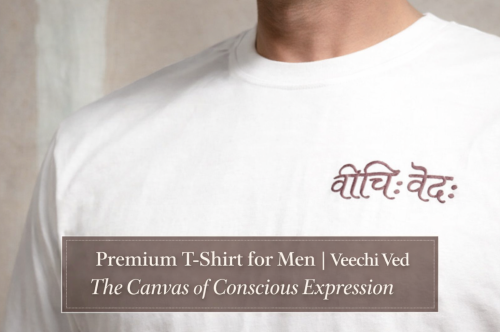
For instance, minimalist fashion statements such as the VeechiVed Emblem: The Essence of Quiet Prestige Tee subtly embody the philosophy of fine detailing. Each stitch, though understated, speaks of care and refinement.
Why Embroidery Continues to Inspire Fashion
Embroidery holds emotional depth. It links the maker and the wearer through craftsmanship. Modern designers interpret embroidery as a bridge between tradition and innovation, art that breathes life into fabric without losing relevance.
Collections like The Dual Path of Dharam explore this harmony beautifully. They reinterpret cultural language into wearable simplicity, where thread becomes both expression and design.
Similarly, pieces such as संस्कारलेशतत्सिद्धिः – The Karma Continuum Tee showcase how symbolic concepts can be translated into threadwork that feels modern, mindful, and distinctly human.
The Modern Meaning of Embroidered Clothing
In today’s fashion landscape, embroidery represents a shift toward individuality and sustainability. Whether hand-stitched or digitally crafted, each piece celebrates effort over excess. For many, embroidered garments embody intention, designed not just to wear, but to experience.
Final Thoughts
Embroidery is not just a technique, it is a dialogue between material and maker. From delicate hand stitches to precision machine patterns, every method tells a story of patience, artistry, and heritage. Understanding the types of embroidery on clothes deepens our appreciation for garments that are more than fashion, they are living expressions of care.
Explore handcrafted stories stitched into fabric. Discover modern Sanskrit-inspired fashion and mindful craftsmanship at VeechiVed.
FAQs
Q1: What are the main types of embroidery on clothes?
Hand, machine, Zardozi, Kantha, Phulkari, and cross stitch.
Q2: Which embroidery is best for cotton fabric?
Kantha and cross stitch suit cotton well.
Q3: Can embroidery be done on synthetic fabrics?
Yes, but natural fabrics hold stitches better.
Q4: How to care for embroidered clothes?
Use mild detergent and avoid excessive rubbing.
Q5: Why is embroidery trending now?
It combines craftsmanship, sustainability, and timeless appeal.
Q6: Is machine embroidery less valuable than handwork?
Not at all, each serves a different purpose in design.